


Neck stiffness is one of the most common physical complaints in modern daily life, yet it is often underestimated until it begins to interfere with movement, focus, or sleep. Reduced mobility in the neck is rarely sudden. Instead, it develops gradually through repetitive posture strain, long screen exposure, and muscle fatigue. Over time, restricted blood flow and tight muscle fibers make even simple movements uncomfortable.
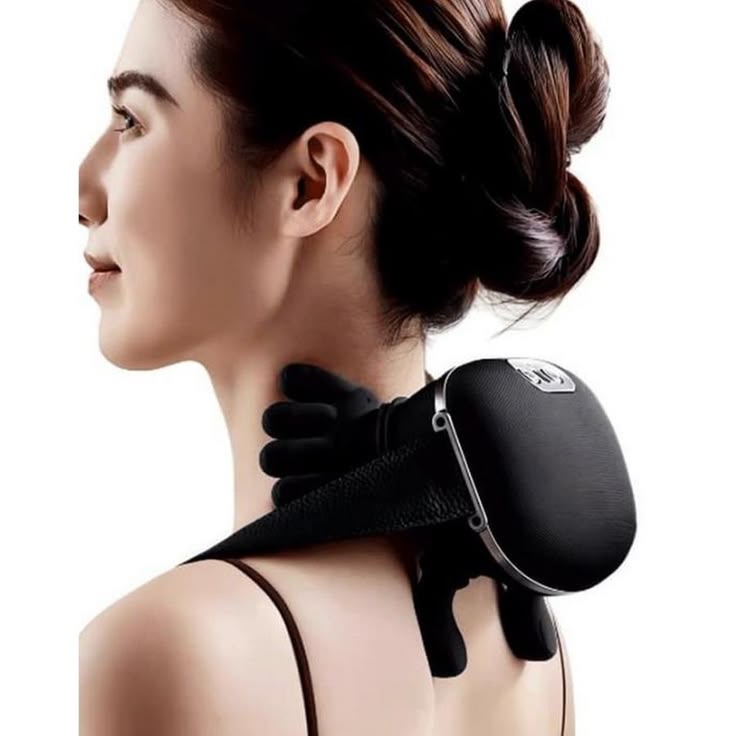
Regular Neck and Shoulder Massager offers a practical way to reverse this process. By improving circulation, releasing muscle tension, and restoring natural flexibility, massage helps the neck recover from daily strain and regain its full range of motion.
Understanding how this restorative process works explains why consistent massage therapy—whether manual or device-assisted—can make a meaningful difference in long-term neck health.
Why Neck Mobility Declines Over Time
The neck is a highly mobile structure supported by a complex network of muscles, ligaments, and joints. While this allows a wide range of motion, it also makes the area vulnerable to strain.
Constant Forward Head Position
One of the most common causes of reduced mobility is forward head posture. When the head shifts in front of the body’s center line, the neck muscles must work harder to support its weight. This leads to chronic tightness in the cervical and upper shoulder regions.
Reduced Blood Circulation
Sustained muscle contraction restricts blood flow. When circulation decreases, oxygen delivery to muscle tissue slows down, and waste products accumulate. This contributes to stiffness and slower recovery.
Muscle Imbalance
Some neck muscles become overactive while others weaken due to poor posture habits. This imbalance reduces smooth movement and creates resistance during rotation or tilting.
Lack of Movement Variation
Modern routines often involve static positions for long periods. Without regular movement, muscles lose elasticity and joint stiffness increases.
How Regular Massage Improves Neck Mobility
Massage therapy works by addressing both muscular tension and circulatory limitations. When applied consistently, it helps restore balance and flexibility in the cervical region.
1. Releasing Tight Muscle Fibers
Massage helps relax contracted muscle fibers that limit movement. Techniques such as kneading and sustained pressure gradually loosen tight areas, especially in the upper trapezius and neck base.
As tension decreases, the neck becomes easier to rotate and tilt without discomfort.
2. Improving Blood Flow
One of the most important effects of massage is improved circulation. Mechanical pressure stimulates blood vessels, increasing the flow of oxygen-rich blood to tight muscles.
Better circulation supports:
- Faster muscle recovery
- Reduced stiffness
- Improved tissue health
- Lower inflammation levels
3. Enhancing Lymphatic Drainage
Massage also supports the lymphatic system, which helps remove waste products from muscle tissue. This reduces swelling and contributes to a lighter, more relaxed feeling in the neck and shoulders.
4. Restoring Muscle Balance
Regular massage helps reset overactive muscles by reducing chronic tension. This allows weaker muscles to function more effectively, improving overall posture and alignment.
The Role of Targeted Massage Techniques
Not all massage methods affect the neck equally. Targeted techniques are more effective because they focus on specific anatomical structures involved in mobility.
Deep Kneading Motion
Kneading mimics the movement of human hands applying circular pressure. This helps stretch muscle fibers and improve elasticity, especially in tight cervical muscles.
Trigger Point Pressure
Targeting specific knots or trigger points helps release localized tension that restricts movement and causes discomfort.
Rhythmic Compression
Alternating pressure patterns encourage muscles to relax gradually rather than resisting sudden force. This improves both comfort and effectiveness.
Heat-Assisted Relaxation
Heat is often used alongside massage to increase muscle flexibility. Warm tissue responds more easily to pressure and allows deeper release of tension.
How Blood Flow and Mobility Are Connected
Blood circulation plays a central role in neck health. When muscles are tight, blood vessels become compressed, limiting oxygen supply. This leads to fatigue and stiffness.
Massage helps reverse this cycle by mechanically stimulating circulation. As blood flow improves, muscles receive more nutrients and recover faster from strain.
This improved circulation directly contributes to smoother, more controlled neck movement.
Benefits of Regular Neck Massage
Consistent massage therapy provides both immediate and long-term benefits for neck mobility and comfort.
Increased Range of Motion
As tension decreases, the neck can rotate and tilt more freely without resistance.
Reduced Stiffness
Improved circulation and muscle relaxation help eliminate the “tight” feeling in the neck.
Fewer Tension Headaches
Releasing neck and shoulder tension reduces pressure that often contributes to headaches.
Better Posture Support
Relaxed muscles allow the spine to maintain more natural alignment, reducing strain during daily activities.
Faster Recovery from Daily Strain
Regular massage helps the neck recover more efficiently from screen time, driving, or prolonged sitting.
Building a Consistent Recovery Routine
The effectiveness of massage depends more on consistency than intensity.
Short Daily Sessions
10 to 15 minutes per day is often enough to maintain mobility and prevent stiffness buildup.
Moderate Pressure Use
Starting with gentle or moderate intensity helps muscles adapt gradually.
Focus on Key Areas
The base of the skull, sides of the neck, and upper shoulders are the most common tension zones.
Combine with Movement
Light stretching and regular posture changes enhance the effects of massage.
When Neck Massage Works Best
Regular massage is especially helpful:
- After long hours of screen use
- During breaks in sedentary work
- Before sleep to promote relaxation
- After travel or long periods of inactivity
Preventing Future Stiffness
Massage is not only corrective but also preventive. By keeping muscles relaxed and circulation active, it reduces the likelihood of chronic stiffness developing.
Small, consistent interventions are more effective than occasional intensive treatment.
A Practical Approach to Long-Term Neck Health
Neck mobility is closely tied to daily habits. Without intervention, even mild tension can accumulate into long-term stiffness. Regular massage offers a practical way to interrupt this cycle.
By improving blood flow, releasing muscle tension, and restoring balance, massage supports both immediate relief and long-term function.
Restoring Natural Movement and Comfort
The goal of restorative neck care is not just to reduce pain but to restore natural, effortless movement. When muscles are relaxed and circulation is healthy, the neck can move freely without resistance or discomfort.
Regular massage helps achieve this balance by working with the body’s natural recovery systems rather than against them.
Final Thoughts
Improving neck mobility is a gradual process that depends on consistent care. Regular massage provides a simple yet effective way to support this process by enhancing circulation, reducing muscle tension, and restoring flexibility.
Over time, these improvements lead to smoother movement, fewer episodes of stiffness, and a noticeable increase in daily comfort.
In a lifestyle where strain is constant, restorative massage becomes more than relaxation—it becomes a practical tool for maintaining long-term neck health and mobility.