


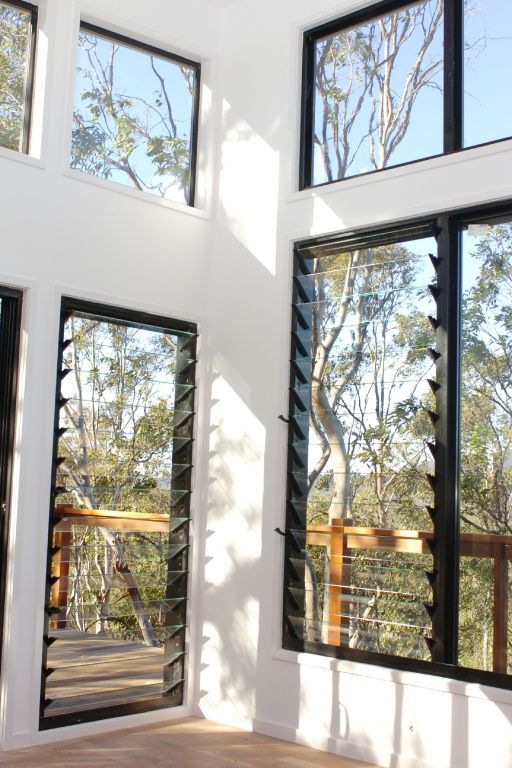
Comparing Aluminium and Glass Window Louvres NZ Options
Choosing between different ventilation and shading systems can significantly impact comfort, energy efficiency, and aesthetics in homes and commercial buildings. One of the most common decisions homeowners and builders face is Comparing Aluminium and Glass window louvres nz Options, as both materials offer distinct advantages depending on the project requirements.
This guide breaks down the key differences, benefits, and considerations to help you make an informed choice.
Understanding Window Louvres in NZ
Window louvres are adjustable slats installed in windows or frames that allow controlled airflow, light entry, and privacy. In New Zealand’s variable climate, they are especially popular for improving ventilation while maintaining protection from rain and wind.
When Comparing Aluminium and Glass Window Louvres NZ Options, it’s important to understand that both materials serve the same purpose but differ in performance, durability, and design appeal.
Aluminium Window Louvres: Strength and Practicality
Aluminium louvres are widely used due to their durability and low maintenance requirements.
Key Benefits of Aluminium Louvres
- Highly durable and weather-resistant
- Lightweight yet strong structure
- Resistant to corrosion, especially in coastal NZ areas
- Low maintenance and long lifespan
- Cost-effective compared to glass alternatives
Aluminium systems are often preferred in commercial buildings and modern residential designs where functionality is a priority.
Glass Window Louvres: Style and Natural Light
Glass louvres are known for their modern aesthetic and ability to maximize natural light.
Key Benefits of Glass Louvres
- Excellent natural light transmission
- Sleek, contemporary appearance
- Easy to clean and maintain
- Can be tinted or frosted for privacy control
- Enhances architectural appeal
When Comparing Aluminium and Glass Window Louvres NZ Options, glass is often chosen for spaces where design and visibility matter most, such as living rooms, offices, and showrooms.
Performance Comparison: Aluminium vs Glass
Both materials perform well, but they excel in different areas.
Durability and Weather Resistance
Aluminium generally performs better in harsh weather conditions, including strong winds and coastal environments common in NZ. Glass, while strong, may require more care in extreme conditions.
Energy Efficiency
Glass louvres can improve natural lighting and reduce daytime energy use, while aluminium louvres provide better heat control and shading flexibility.
Maintenance Requirements
Aluminium is easier to maintain long-term, whereas glass requires regular cleaning to maintain clarity and appearance.
Design and Aesthetic Considerations
A major factor in Comparing Aluminium and Glass Window Louvres NZ Options is visual appeal.
- Aluminium offers a sleek, industrial, and minimal look
- Glass provides a clean, open, and premium architectural feel
The choice often depends on whether the priority is functional simplicity or modern elegance.
Cost Considerations in NZ
Budget is another key deciding factor.
- Aluminium louvres are generally more affordable and widely available
- Glass louvres tend to be more expensive due to material and installation costs
However, both options can be considered long-term investments depending on durability and energy savings.
Which Option Should You Choose?
If your priority is durability, affordability, and low maintenance, aluminium is often the better choice. If you value natural light, modern aesthetics, and architectural impact, glass may be more suitable.
Ultimately, Comparing Aluminium and Glass Window Louvres NZ Options comes down to balancing performance needs with design preferences and budget.
Final Thoughts
Both aluminium and glass louvres offer excellent benefits for NZ homes and buildings. By carefully evaluating climate conditions, design goals, and maintenance expectations, you can select the option that best enhances comfort and functionality for your space.