


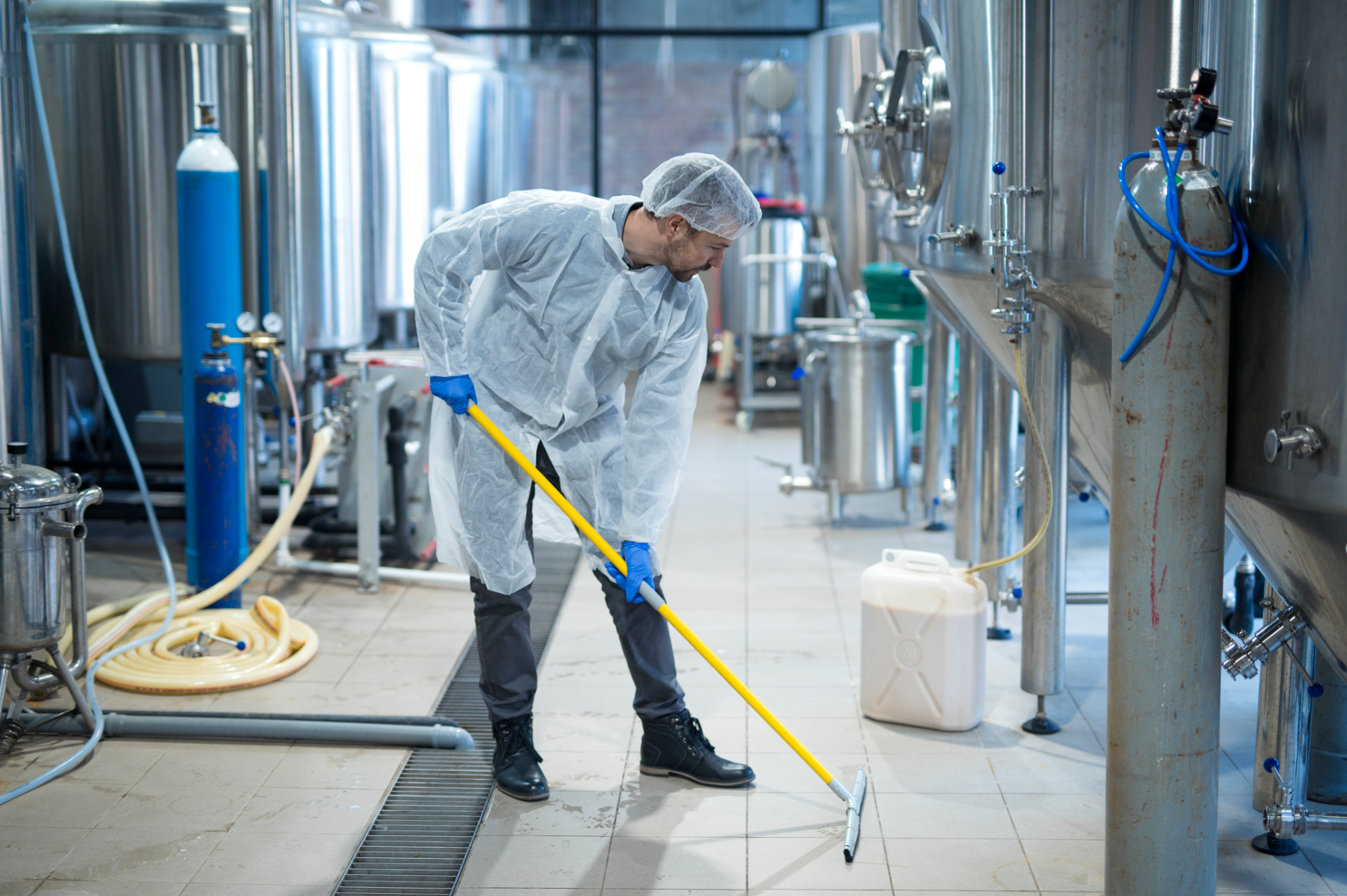
Maintaining cleanliness in food manufacturing cleanrooms is more than just a regulatory requirement; it is a critical practice that ensures food safety, product quality, and operational efficiency. Cleanroom cleaning is essential for preventing contamination, protecting consumers, and safeguarding the reputation of food manufacturers.
In this blog post, we’ll explore why cleanroom cleaning is vital and how it benefits every aspect of food production. Read on!
Protecting Food Safety and Preventing Contamination
Cleanroom cleaning plays a key role in protecting food products from harmful contaminants. In food manufacturing, even minor exposure to bacteria, allergens, or foreign particles can compromise the safety of products. Proper cleaning protocols, including surface sanitization, air filtration maintenance, and controlled access procedures, reduce the risk of microbial contamination. By keeping cleanrooms free from harmful agents, manufacturers ensure that the food reaching consumers is safe to eat, helping prevent foodborne illnesses and recalls.
Ensuring Consistent Product Quality
Food quality depends on maintaining precise conditions during production. Dust, debris, and microorganisms in a cleanroom can affect the taste, texture, and shelf life of products. Regular cleanroom cleaning helps maintain a controlled environment, ensuring that every batch of food meets strict quality standards. Consistent cleaning schedules and adherence to hygiene protocols lessen variations in production, resulting in uniform, high-quality products that meet customer expectations.
Meeting Regulatory Standards and Compliance
Cleanroom cleaning is essential for compliance with food safety regulations such as Hazard Analysis and Critical Control Points (HACCP) and FDA guidelines. Regulatory agencies require food manufacturers to demonstrate rigorous hygiene practices to prevent contamination and ensure traceability. Effective cleanroom cleaning practices help facilities pass inspections, reduce the risk of fines, and maintain certifications. By integrating cleaning into daily operations, food manufacturers show a commitment to regulatory compliance and responsible production practices.
Enhancing Operational Efficiency
A clean and well-maintained cleanroom contributes to overall operational efficiency. Contamination incidents or equipment malfunctions caused by dirt or debris can result in costly production delays and wasted materials. Regular cleaning reduces equipment wear, minimizes downtime, and prevents disruptions in the production line. A clean environment allows staff to work more efficiently, boosting productivity and lowering operational costs in the long term.
Supporting Sustainability and Environmental Responsibility
Cleanroom cleaning in food manufacturing also contributes to sustainability and environmentally responsible practices. Using eco-friendly cleaning agents, reducing water and chemical waste, and implementing energy-efficient cleaning procedures help minimize the facility’s environmental footprint. By adopting sustainable cleaning practices, manufacturers not only protect the planet but also enhance their corporate social responsibility profile, appealing to environmentally conscious consumers and stakeholders.
Protecting Employee Health and Workplace Safety
Cleanroom cleaning is not only about food products; it also protects the health and safety of employees. Staff working in contaminated environments are at higher risk of exposure to harmful microorganisms or allergens. Maintaining strict cleaning protocols ensures that workers operate in a safe and sanitary environment, reducing illness, absenteeism, and workplace accidents. A clean workspace also promotes confidence among employees, encouraging adherence to hygiene and safety procedures.
Preserving Brand Reputation and Consumer Trust
The reputation of a food manufacturer relies heavily on public perception of safety and quality. Contamination incidents, recalls, or regulatory violations can damage consumer trust and impact brand loyalty. By prioritizing cleanroom cleaning, manufacturers demonstrate their commitment to producing safe, high-quality products. Consistently maintaining a hygienic environment reinforces brand credibility and reassures consumers that the company takes food safety seriously.
Cleanroom cleaning is a critical aspect of food manufacturing that impacts food safety, product quality, regulatory compliance, operational efficiency, employee health, and brand reputation. Ignoring this vital practice can lead to contamination, costly recalls, and diminished consumer trust. Food manufacturers should implement rigorous cleaning protocols and maintain a regular cleaning schedule to ensure their facilities remain safe and efficient. Consulting cleanroom service providers, like those from Advanced Cleanroom Microclean (ACM), can further enhance the effectiveness of these practices, ensuring that cleanrooms meet the highest standards of hygiene and safety.
