


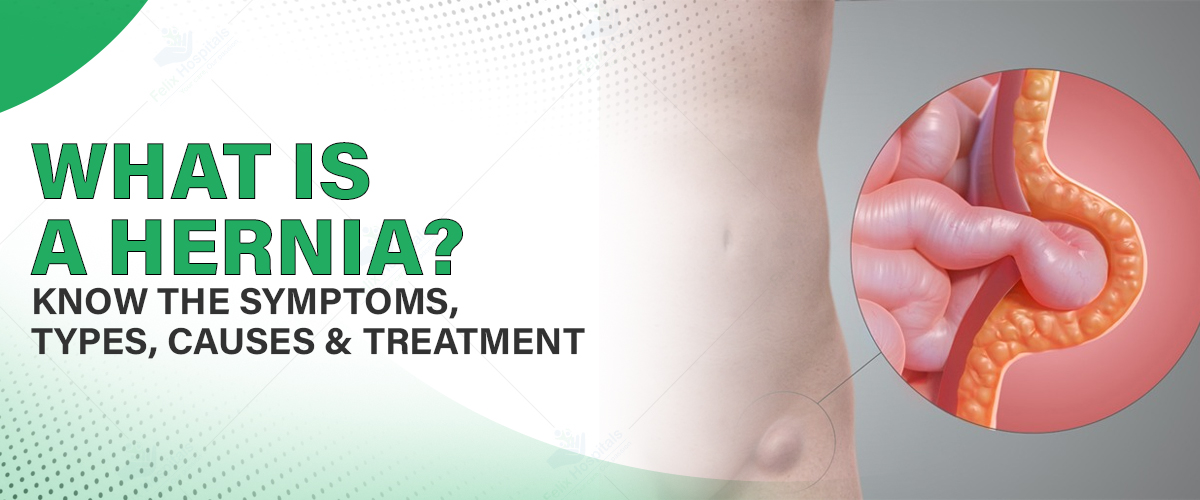
Hernia treatment has undergone remarkable progress over the past few decades. With innovations in surgical techniques, materials, and post-operative care, patients now experience faster recovery, reduced complications, and improved outcomes. Understanding these developments is crucial for both medical professionals and patients seeking effective treatment options.
Minimally Invasive Surgery
One of the most significant trends in modern hernia treatment is the adoption of minimally invasive procedures. Laparoscopic and robotic-assisted surgeries have revolutionized the way surgeons address hernias. Unlike traditional open surgery, these techniques involve smaller incisions, which reduces pain, minimizes scarring, and shortens hospital stays. The precision of robotic-assisted surgery also allows for complex hernias to be treated with higher accuracy, reducing the likelihood of recurrence.
Advanced Mesh Materials
The introduction of advanced mesh materials has been a game-changer in hernia repair. Modern meshes are designed to integrate better with the body’s tissue, reducing the risk of infection and inflammation. Some meshes are even absorbable, providing temporary support while natural tissue heals. These innovations reflect the latest advances in hernia treatment, making recovery safer and more comfortable for patients.
Enhanced Recovery Protocols
Recovery protocols have also improved alongside surgical innovations. Enhanced Recovery After Surgery (ERAS) programs focus on reducing post-operative pain, promoting early mobility, and optimizing nutrition. These evidence-based protocols accelerate healing and decrease complications, reflecting the continuous evolution in patient-centered care for hernia treatment.
Personalized Treatment Approaches
Modern hernia treatment increasingly emphasizes individualized care. Surgeons now tailor procedures based on the hernia type, patient health, and lifestyle factors. Personalized approaches ensure that patients receive the most effective and least invasive treatment possible. The latest advances in hernia treatment highlight the importance of considering patient-specific factors to improve outcomes and minimize recurrence.
Conclusion
The field of hernia treatment is rapidly evolving, with innovations in minimally invasive techniques, mesh materials, recovery protocols, and personalized care. Patients now benefit from safer, more effective, and quicker treatment options. Keeping abreast of the latest advances in hernia treatment is essential for anyone seeking modern, high-quality care.
