


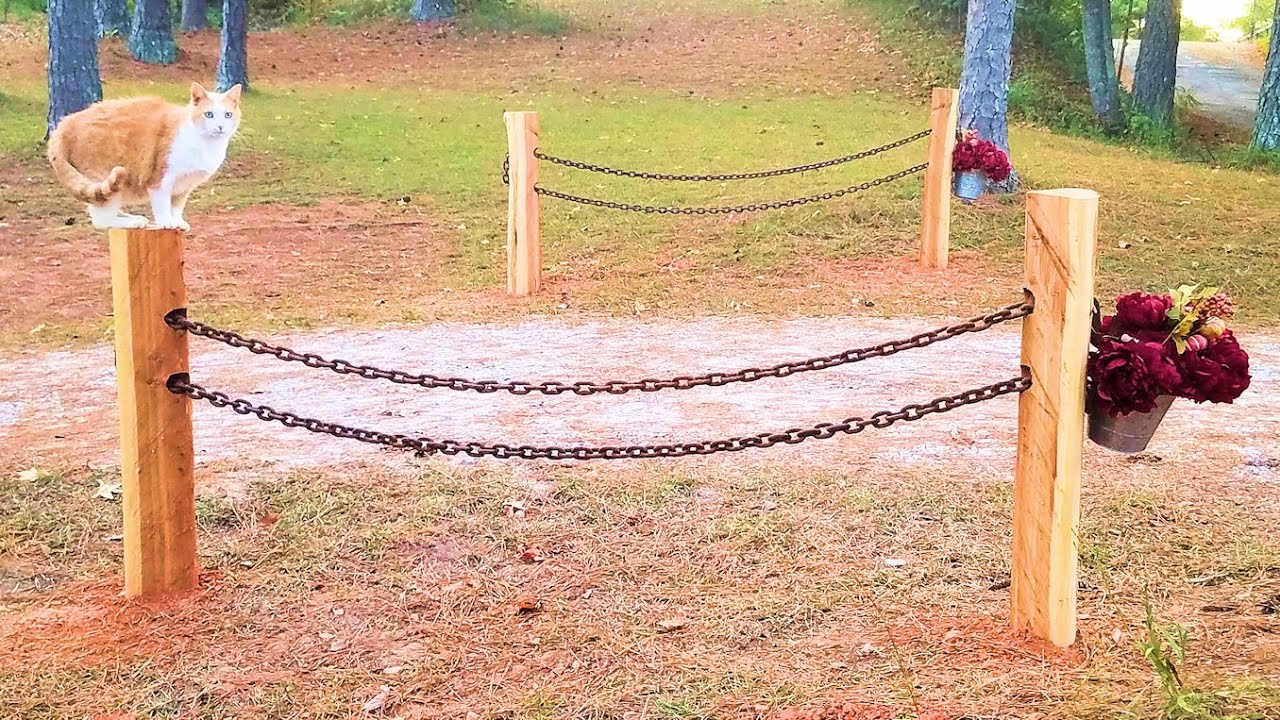
A sturdy fence adds both security and curb appeal to your property. However, even the strongest fence is only as good as its posts. Proper maintenance is crucial to ensure your fence post remain strong, stable, and long-lasting. In this article, we’ll explore practical ways on how to maintain and extend the life of your fence posts.
Inspect Your Fence Posts Regularly
Regular inspections are the first step in prolonging the life of your fence. Check for:
- Signs of rot or decay at the base of wooden posts.
- Rust or corrosion on metal posts.
- Looseness or instability in the post alignment.
Catching issues early allows for timely repairs before they become major problems.
Choose the Right Materials
Selecting durable materials can dramatically extend the lifespan of your fence posts:
- Wood: Pressure-treated wood resists moisture and insect damage better than untreated wood. Cedar and redwood are naturally resistant to decay.
- Metal: Galvanized steel or aluminum posts resist rust and corrosion.
- Composite: These posts are low-maintenance and highly durable.
Investing in quality materials from the start reduces the frequency of repairs.
Protect Your Fence Posts
Proper protection is essential for longevity:
- Wood Posts: Apply sealant or wood preservative to protect against moisture, insects, and UV damage. Reapply every 2–3 years.
- Metal Posts: Use rust-resistant coatings and check for scratches that expose the metal to corrosion.
- Concrete Footings: Ensure posts set in concrete have proper drainage to avoid water pooling, which accelerates decay.
Maintain Proper Drainage
Water is the biggest enemy of fence posts. Poor drainage can lead to rotting in wooden posts and rusting in metal posts. To improve drainage:
- Slope the ground around posts to direct water away.
- Avoid planting shrubs or grass too close to posts, which trap moisture.
- Add gravel at the base to improve water runoff.
Tighten and Adjust Posts as Needed
Over time, posts may become loose due to soil shifting or environmental factors. Tightening hardware, replacing broken fasteners, and realigning posts can prevent fence sagging and maintain structural integrity.
When to Replace Fence Posts
Despite your best efforts, some posts may reach the end of their life. Signs that it’s time to replace a post include:
- Extensive rot or insect damage.
- Bent or rusted metal posts beyond repair.
- Posts that can no longer support the fence panels safely.
Replacing damaged posts promptly helps protect the rest of your fence and avoids costly repairs later.
Conclusion
Knowing how to maintain and extend the life of your fence posts is key to a strong, durable fence that lasts for years. Regular inspections, quality materials, protective treatments, proper drainage, and timely repairs all contribute to the longevity of your fence. By following these steps, you can enjoy a secure and attractive fence for decades.
