


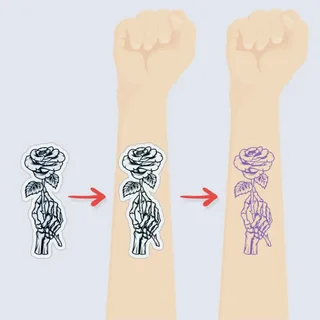
Tattooing is more than just art—it’s precision, preparation, and technique. One of the most crucial steps in the tattooing process is creating a clear, accurate stencil that transfers your design from paper to skin flawlessly. In this guide, we’ll take you from design to skin: printing your tattoo stencil like a pro, covering essential tips and tricks for both beginner and experienced tattoo artists.
Understanding the Importance of a Tattoo Stencil
A tattoo stencil serves as the blueprint for your work. It ensures that the lines, proportions, and intricate details of your design are accurately transferred to the client’s skin. Without a proper stencil, even the most talented tattoo artist can struggle with alignment, symmetry, and consistency.
Key benefits of a well-prepared stencil include:
- Accuracy: Ensures every line matches your original design.
- Efficiency: Speeds up the tattooing process.
- Confidence: Provides a clear roadmap, reducing mistakes.
Preparing Your Design
The journey from concept to skin begins with your design. Whether hand-drawn or digitally created, your artwork needs to be optimized for stencil transfer.
Tips for Preparing Your Design:
- Simplify complex areas – Too many fine details can blur during transfer.
- Use bold outlines – Clear lines translate better onto the skin.
- Mirror the design if necessary – Remember that the stencil is a mirror image of the final tattoo.
Once your design is finalized, it’s time to focus on printing.
Printing Your Tattoo Stencil Like a Pro
Printing the stencil correctly is essential to achieve a professional-looking tattoo. This is where attention to detail can make all the difference.
Step-by-Step Guide:
- Choose the right paper: Thermal transfer paper or hectograph paper is ideal for stencil printing.
- Check printer compatibility: Not all printers work well with stencil sheets; thermal printers often provide the sharpest results.
- Adjust settings: Use high-quality print settings to avoid smudging or fading.
- Test the stencil: Always print a test copy on plain paper to check scale and proportions before using stencil paper.
Following these steps ensures that you can move seamlessly from digital design to physical stencil, achieving the level of precision expected in professional tattooing.
Transferring the Stencil to Skin
After printing, the next step is stencil application. The goal is to create a clear, clean guide on the skin without smudges or gaps. Use stencil transfer solution and a careful hand to ensure the design adheres perfectly. Remember, from design to skin: printing your tattoo stencil like a pro isn’t just about the paper—it’s also about preparation, patience, and proper technique.
Tips for Professional Results
- Test placement: Position the stencil multiple times before final application.
- Clean skin thoroughly: Remove oils and debris to enhance stencil adhesion.
- Use consistent pressure: Avoid blotches or incomplete transfers.
Conclusion
Mastering the art of stencil printing is essential for any tattoo artist looking to elevate their craft. By paying attention to every detail, from design preparation to the final transfer on skin, you can ensure precision, efficiency, and client satisfaction. Remember, from design to skin: print tattoo stencil like a pro isn’t just a tagline—it’s the key to professional tattoo artistry.
