


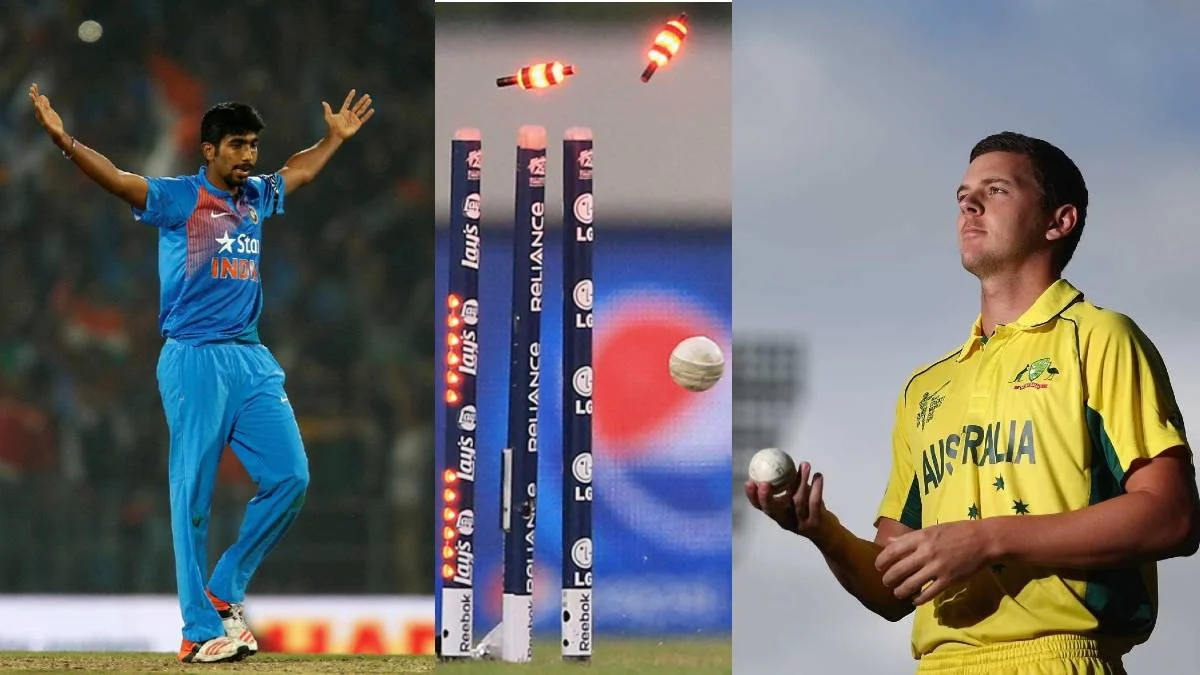
Fast bowling is one of the most thrilling and intimidating aspects of cricket. It combines power, precision, rhythm, and psychology — a test of both physical endurance and mental strength. From generating raw pace to executing deceptive movement, the art of fast bowling is a complex craft that demands skill, science, and strategy.
The Essence of Fast Bowling
Fast bowling isn’t just about speed; it’s about control and variation. The best fast bowlers blend raw velocity with accuracy and Jeetbuzz movement through the air or off the pitch. They can unsettle batters with bouncers, trap them with yorkers, and deceive them with subtle seam or swing.
Legends like Dennis Lillee, Wasim Akram, Glenn McGrath, and Dale Steyn mastered the art by understanding not only how to bowl fast but how to outthink batters. Every delivery they bowled carried purpose — a plan designed to break concentration and induce mistakes.
The Science of Pace Generation
To bowl fast, every element of the body must work in harmony. The process of pace generation involves biomechanics, strength, and timing rather than sheer muscle power.
- Run-Up: The bowler’s approach builds rhythm and momentum. A smooth, balanced run-up allows for explosive energy transfer at release.
- Stride and Delivery: The front leg acts as a brake while the back leg drives power forward. The bowling arm rotates at high speed, aided by shoulder and core strength.
- Follow-Through: A strong follow-through ensures both speed and control, preventing injuries and maintaining rhythm.
Training for fast bowlers often focuses on building lower-body strength, flexibility, and endurance to sustain speed throughout long spells.
The Different Types of Fast Bowlers
Not all fast bowlers are the same. Their effectiveness often lies in their unique styles and natural strengths:
- Out-and-Out Pacers: Bowlers like Shoaib Akhtar and Brett Lee rely on extreme speed to intimidate batters.
- Swing Bowlers: Masters like Wasim Akram and James Anderson use seam position and wrist control to make the ball move in the air.
- Seam Bowlers: Focus on hitting the pitch in just the right way to get unpredictable movement off the surface — a skill perfected by Glenn McGrath.
- Hit-the-Deck Bowlers: Generate bounce and lift from even flat pitches, like Pat Cummins and Kagiso Rabada.
Each type of fast bowler brings a distinct Jeetwin challenge to batters, and successful teams often use a combination to cover all conditions.
Swing: The Subtle Weapon
Swing bowling is one of fast bowling’s most fascinating arts. It occurs when the ball moves sideways through the air, either away from or into the batter.
- Conventional Swing: Achieved by maintaining one side of the ball shiny and the other rough, allowing air pressure differences to move it.
- Reverse Swing: Happens when the ball gets old and worn — the rough side creates late movement, often at high speeds. Pioneered by Pakistan legends like Waqar Younis and Wasim Akram, it remains a potent weapon even today.
Mastering swing requires precision in wrist position, seam alignment, and release timing — factors that take years to perfect.
The Role of Seam and Bounce
The seam — the raised stitching around the ball — plays a critical role in movement off the pitch. When bowlers land the seam upright, it grips the surface and deviates unpredictably.
Pitches with grass or moisture favor seam bowlers, while harder, drier surfaces reward those who can extract bounce. Bowlers like Josh Hazlewood and Mohammed Shami excel in exploiting these small variations, turning ordinary deliveries into wicket-taking opportunities.
The Psychological Battle
Fast bowling isn’t just physical — it’s psychological warfare. A bowler must intimidate, deceive, and dominate the batter mentally. Short balls, bouncers, and constant pace variation keep the opponent guessing and uncomfortable.
Great fast bowlers also possess supreme patience and self-belief. They understand that consistency and pressure eventually force mistakes. The ability to read a batter’s mindset and adjust strategy accordingly separates the good from the great.
Fitness and Conditioning
Fast bowling demands exceptional fitness. Bowlers must generate explosive energy repeatedly over long spells, often in challenging conditions. Modern training includes:
- Strength and conditioning programs to enhance power and durability.
- Core stability exercises to maintain balance and reduce injury risk.
- Recovery routines involving ice baths, physiotherapy, and load management.
The likes of Kagiso Rabada and Mitchell Starc represent the new generation of athletes who combine pace with endurance, sustaining high performance across formats.
The Evolution of Fast Bowling Techniques
Over time, fast bowling has evolved alongside cricket’s changing formats. In Test cricket, patience and swing remain key, while T20 cricket has introduced new skills like slower balls, cutters, and back-of-the-hand variations.
Innovations like the knuckleball and cross-seam deliveries are now part of every fast bowler’s toolkit, designed to deceive batters in shorter formats. Bowlers must constantly adapt — blending traditional skills with creativity to stay effective.
Legendary Partnerships and Fast Bowling Duos
Fast bowlers often thrive in pairs, feeding off each other’s rhythm and aggression. Legendary duos such as Curtly Ambrose and Courtney Walsh, Wasim Akram and Waqar Younis, and Mitchell Johnson and Ryan Harris terrorized batting lineups with their contrasting yet complementary styles.
The partnership between two fast bowlers creates relentless pressure, forcing batters to make mistakes from both ends — a key to many historic victories.
The Future of Fast Bowling
With technology and biomechanics advancing rapidly, the next generation of fast bowlers is set to push the boundaries of pace, fitness, and precision. Data analysis now helps bowlers refine their lines, lengths, and release points to match specific batters.
However, the core essence of fast bowling remains unchanged — aggression, rhythm, and the joy of outsmarting the batter. As cricket continues to evolve, the art of fast bowling will remain one of its most captivating spectacles.
FAQ
1. What is the ideal speed for a fast bowler?
Fast bowlers generally operate between 135–155 km/h, though elite pacers like Shoaib Akhtar and Brett Lee have exceeded 160 km/h.
2. How does a bowler generate swing?
Swing is created through seam position, wrist control, and maintaining one shiny side of the ball to manipulate air pressure differences.
3. What physical traits are important for fast bowlers?
Strong legs, a stable core, flexible shoulders, and high endurance are essential for generating pace and sustaining performance over long spells.