


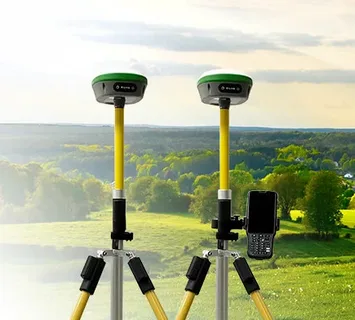
In modern agriculture, technology plays a crucial role in enhancing productivity and efficiency. One such technology gaining popularity is rtk gps (Real-Time Kinematic Global Positioning System), which offers precision guidance for farming operations. However, before adopting this technology, farmers must carefully consider the cost-benefit analysis of implementing RTK GPS in farming to determine if the investment is justified by the gains.
What is RTK GPS Technology?
RTK GPS provides centimeter-level accuracy by using a fixed base station and a mobile receiver on machinery, allowing for precise positioning in real-time. This high level of precision helps farmers optimize field operations such as planting, fertilizing, and harvesting. The technology reduces overlaps and skips, leading to more efficient resource use.
Costs Associated with Implementing RTK GPS
When conducting the cost-benefit analysis of implementing RTK GPS in farming, it is important to consider the initial and ongoing costs, including:
- Equipment Costs: The primary expense involves purchasing RTK GPS receivers and compatible machinery.
- Installation and Setup: Professional installation and calibration may be required.
- Subscription Fees: Some RTK GPS systems require ongoing correction signal subscriptions.
- Training and Maintenance: Farmers and operators need training to use the technology effectively, and maintenance may be necessary to keep equipment functional.
Benefits of Using RTK GPS in Farming
The benefits of RTK GPS technology often outweigh the costs when viewed over the long term:
- Increased Precision: RTK GPS reduces input overlaps by up to 90%, saving seeds, fertilizers, and chemicals.
- Time Savings: Precision guidance decreases the time spent in the field.
- Higher Yields: Accurate planting and input application can improve crop yields.
- Reduced Environmental Impact: Efficient use of inputs helps minimize runoff and soil degradation.
The Cost-Benefit Analysis of Implementing RTK GPS in Farming: Is it Worth It?
Farmers must weigh upfront investments against potential long-term savings and productivity improvements. In many cases, the cost-benefit analysis of implementing RTK GPS in farming reveals that the initial expense is recouped within a few seasons due to input savings and yield gains. However, the benefits may vary depending on farm size, crop types, and existing farming practices.
Conclusion
Adopting RTK GPS technology can revolutionize farm management by enhancing precision and efficiency. Performing a thorough cost-benefit analysis of implementing RTK GPS in farming helps farmers make informed decisions, ensuring the technology delivers real value for their unique operations.